How often do we think about decorating and think about using a color palette? If we’re not a professional designer or stager, we probably don’t use this method often (I know I didn’t for a LONG time). By using little tools like palette creators (my personal favorite is Coolors), and Pinterest boards, we’re able to have an end product similar to that of a designers. With planning, and a cohesive design idea we achieve a better end result.
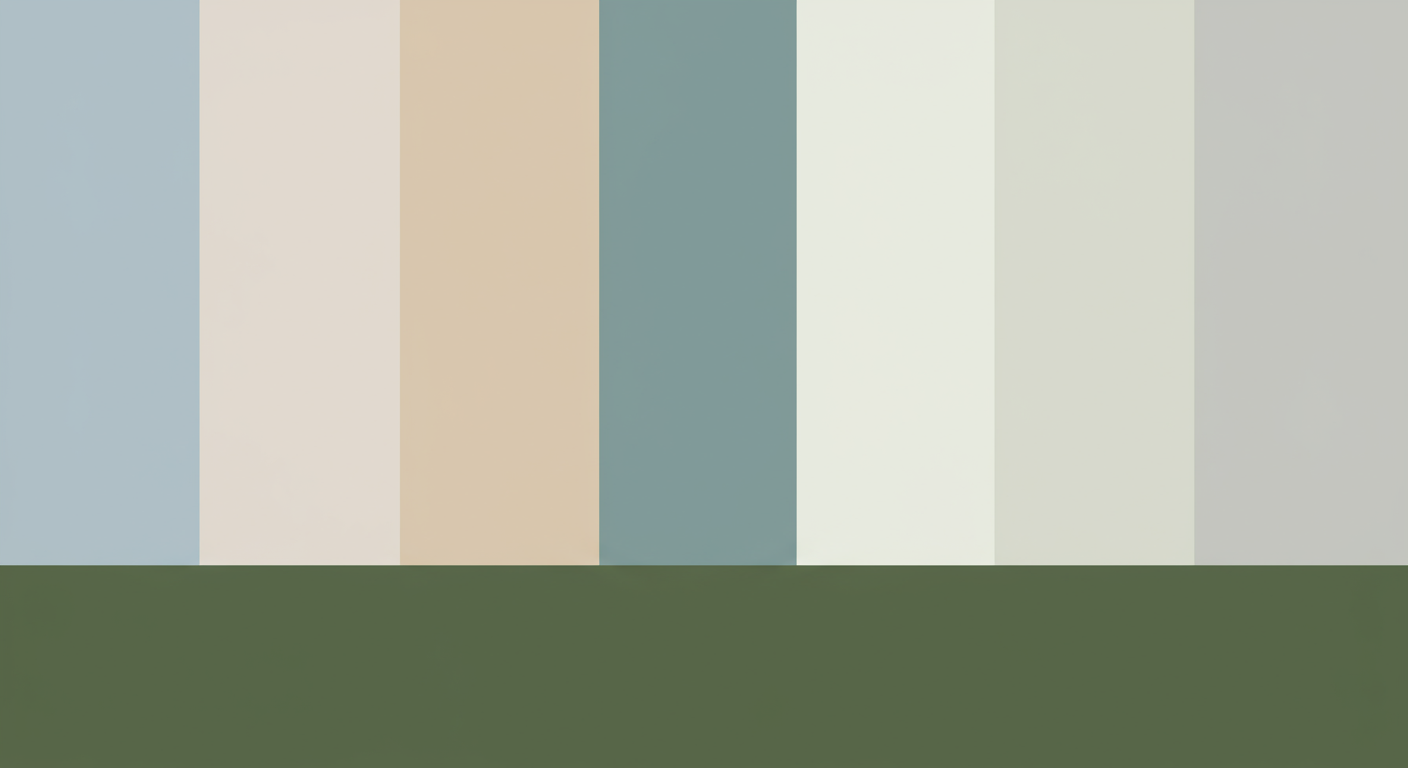
A beach home themed palette inspired by a listing from ERA Byrne Realty in Point Pleasant, New Jersey.
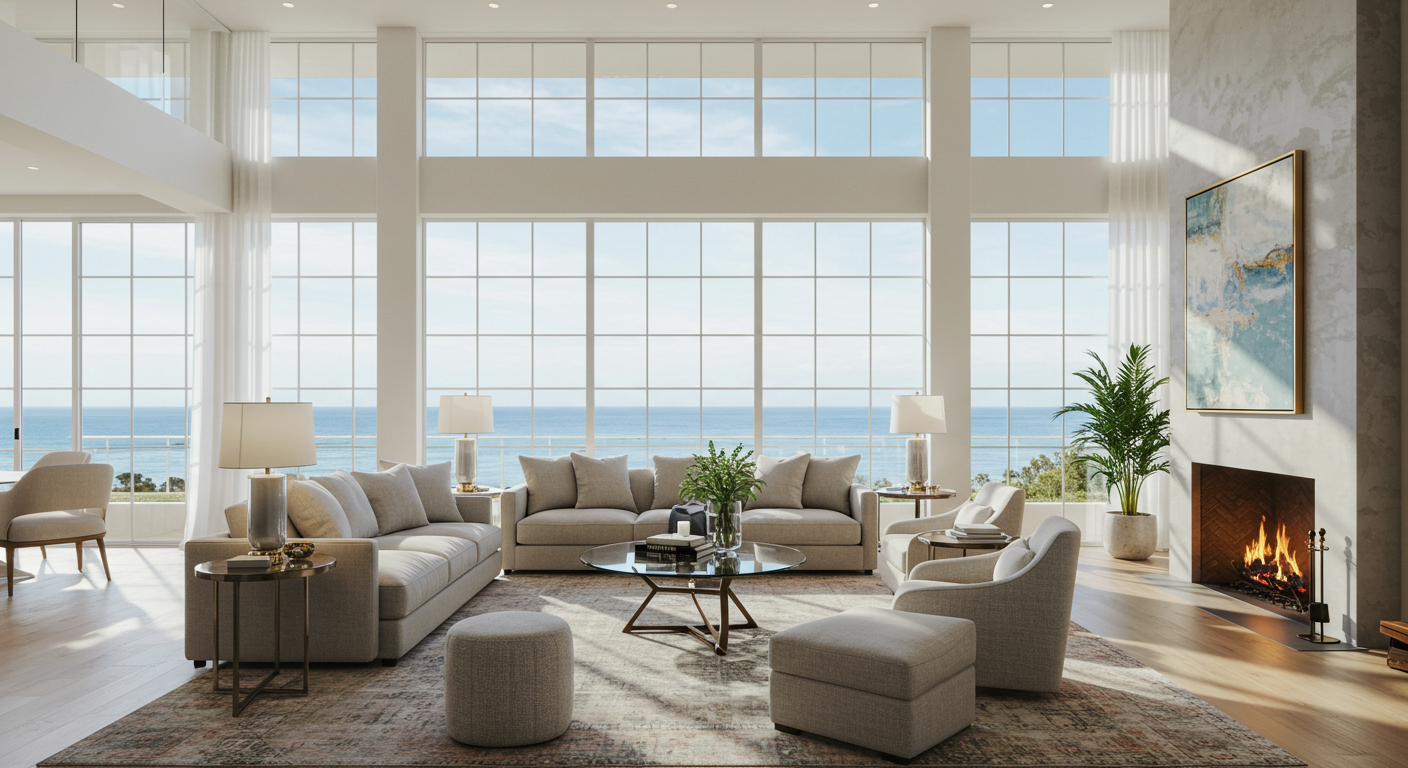
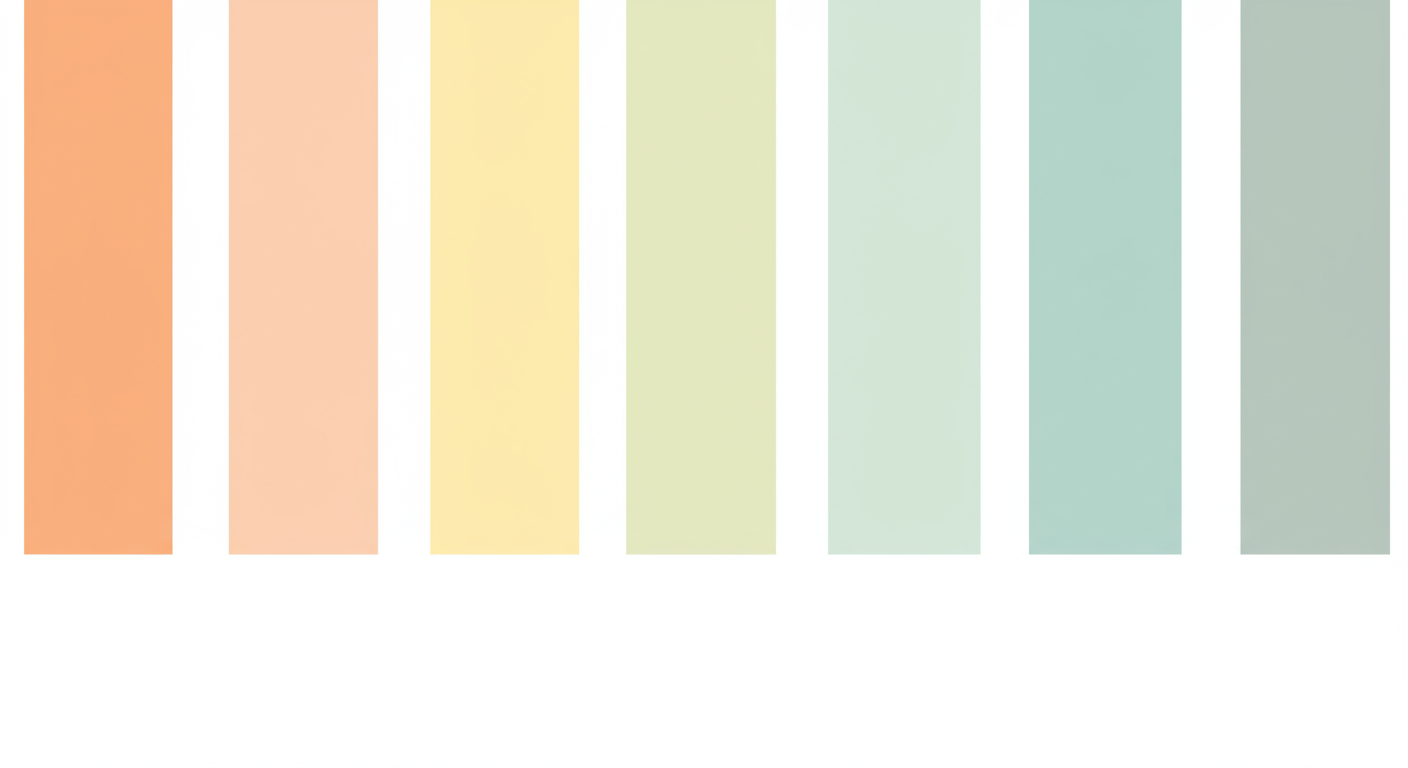
Mediterranean styled palette inspired by PicNorth.
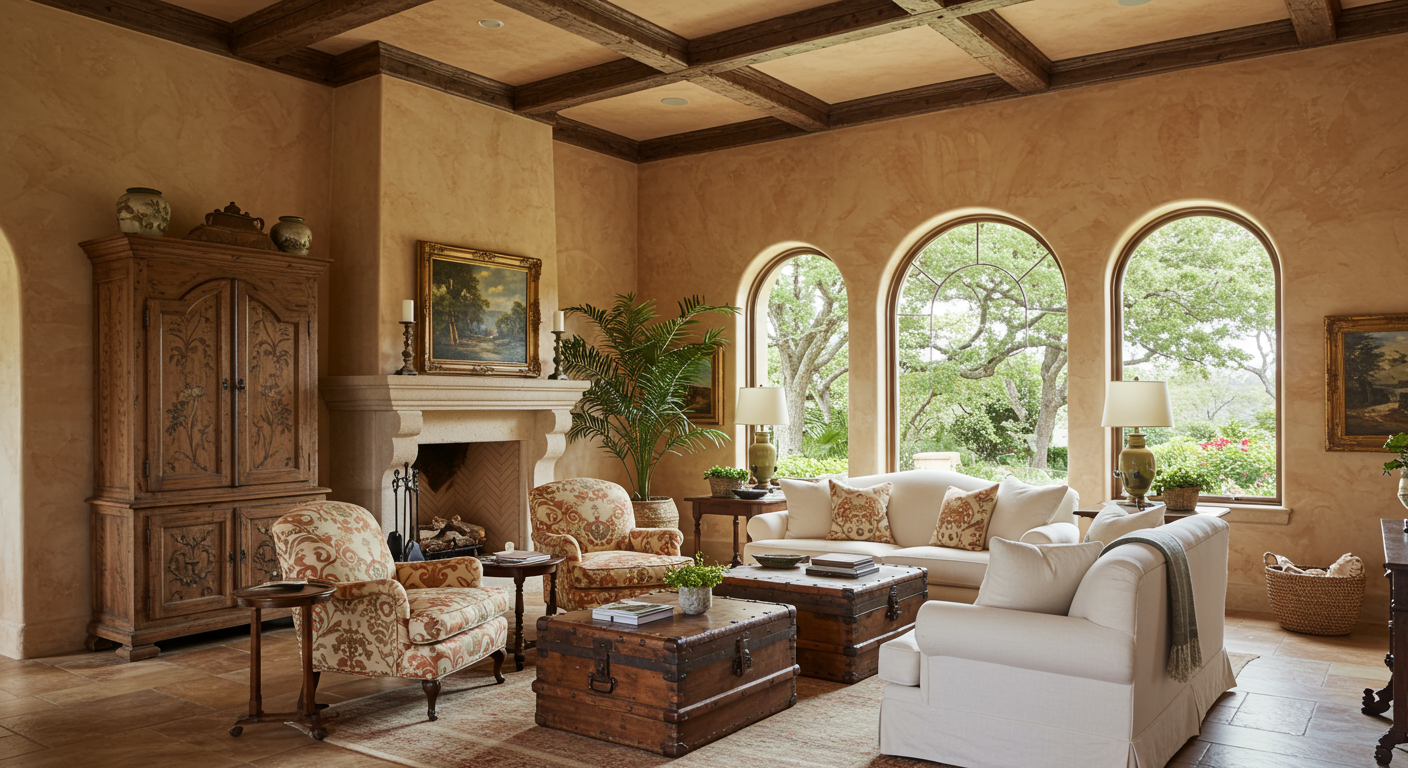
Mediterranean styled room provided by PicNorth.
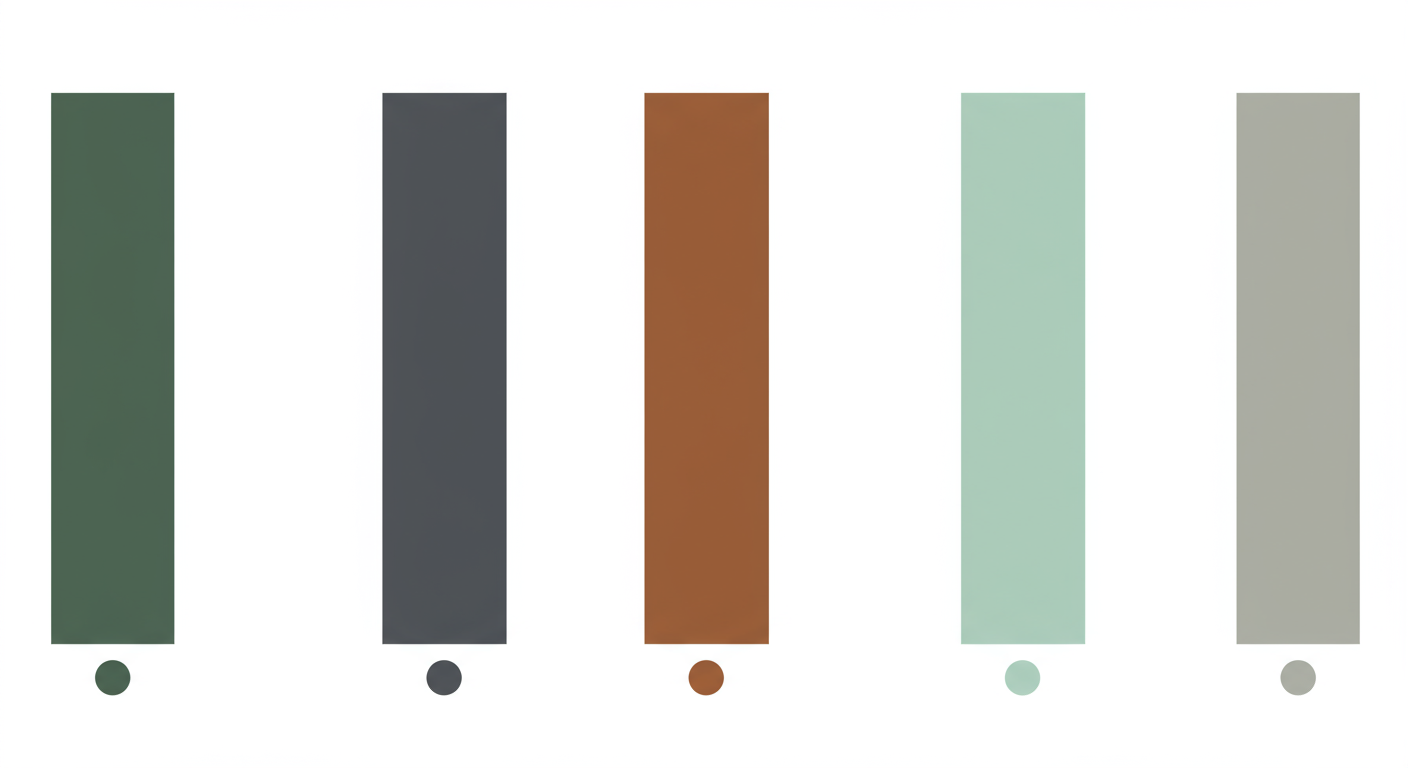
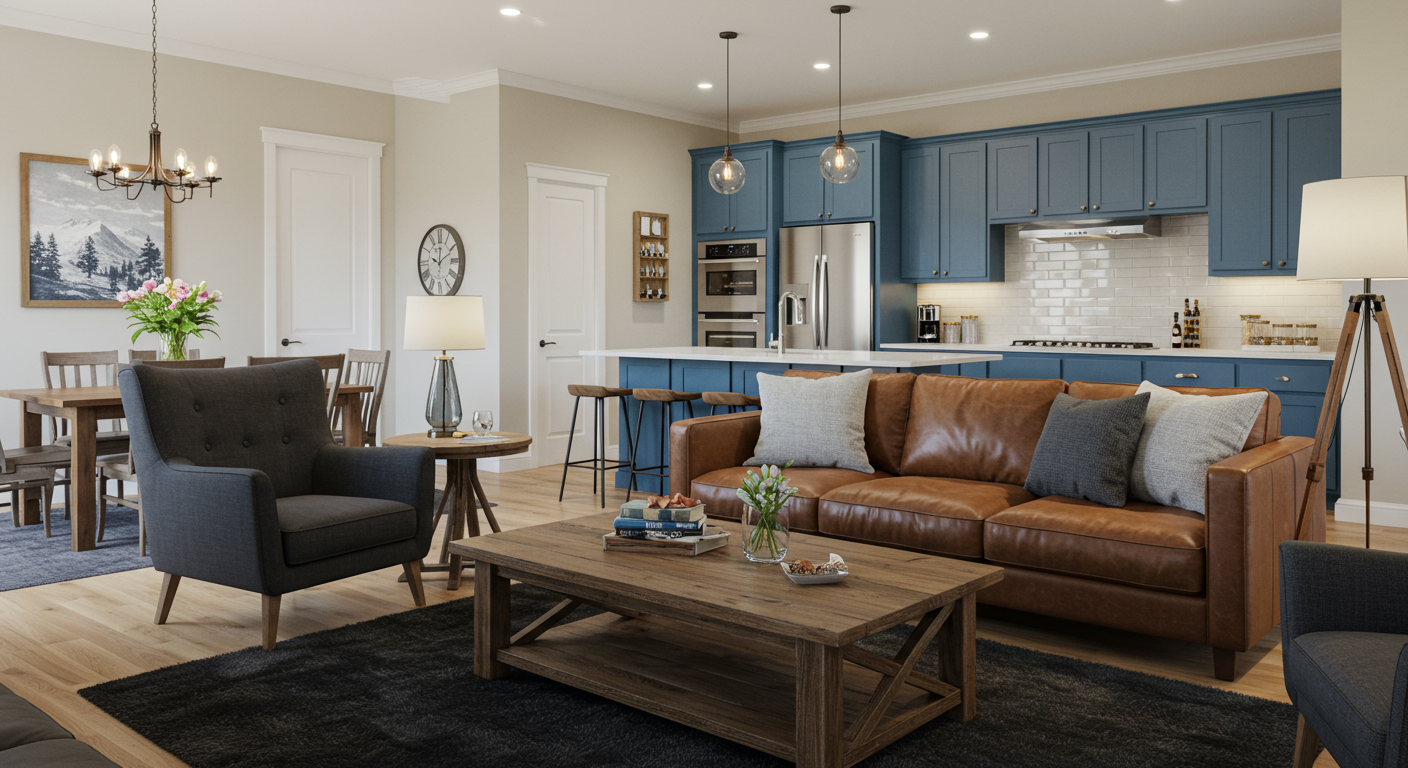
Modern rustic palette inspired by HGTV.
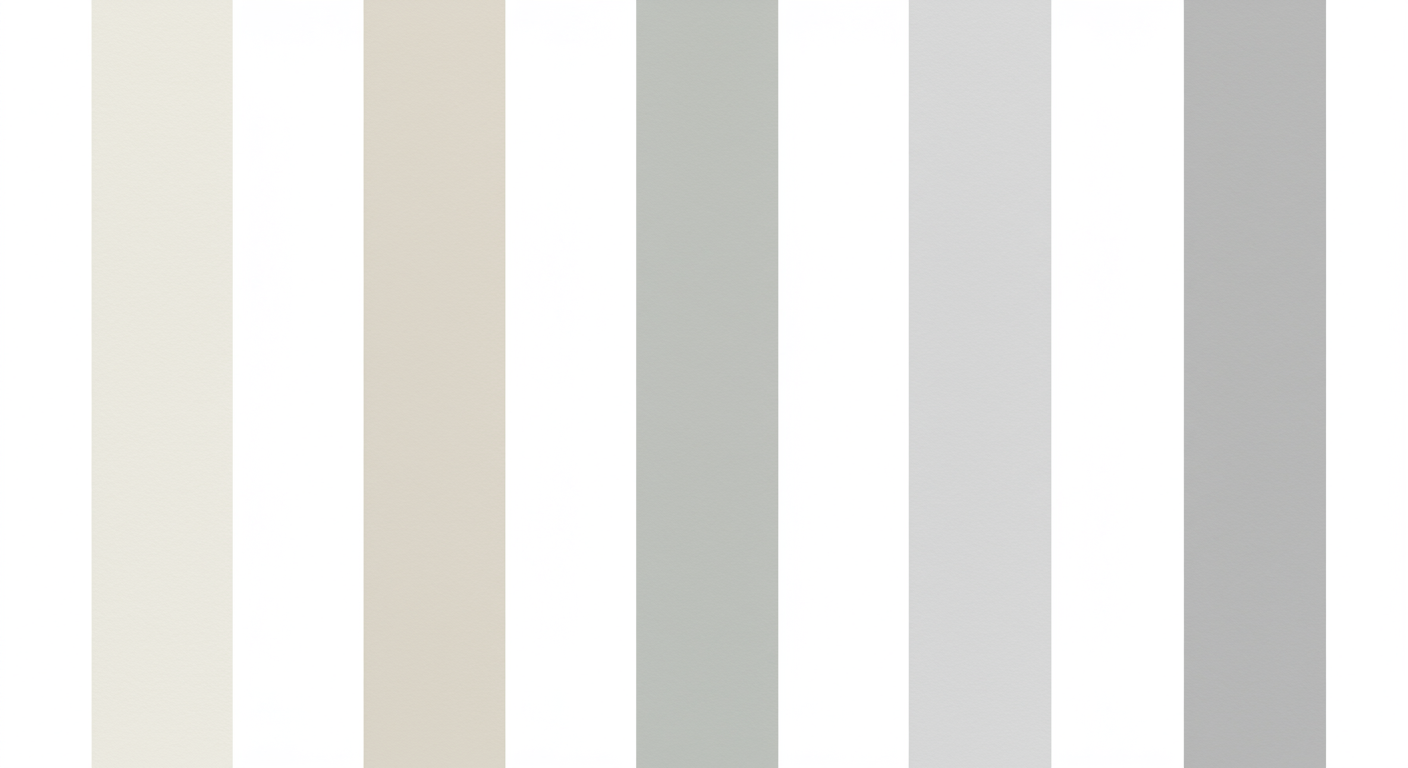
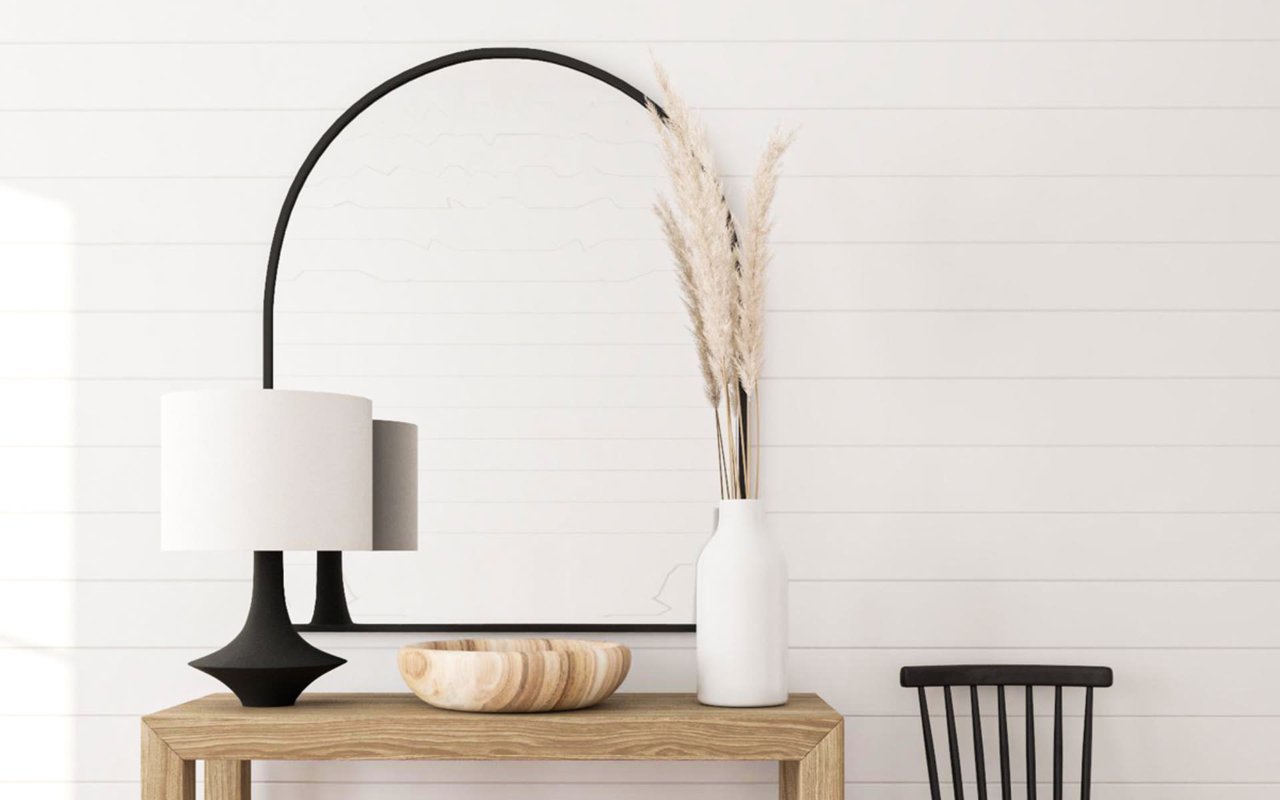
Inspired by the calming properties of an all white room.
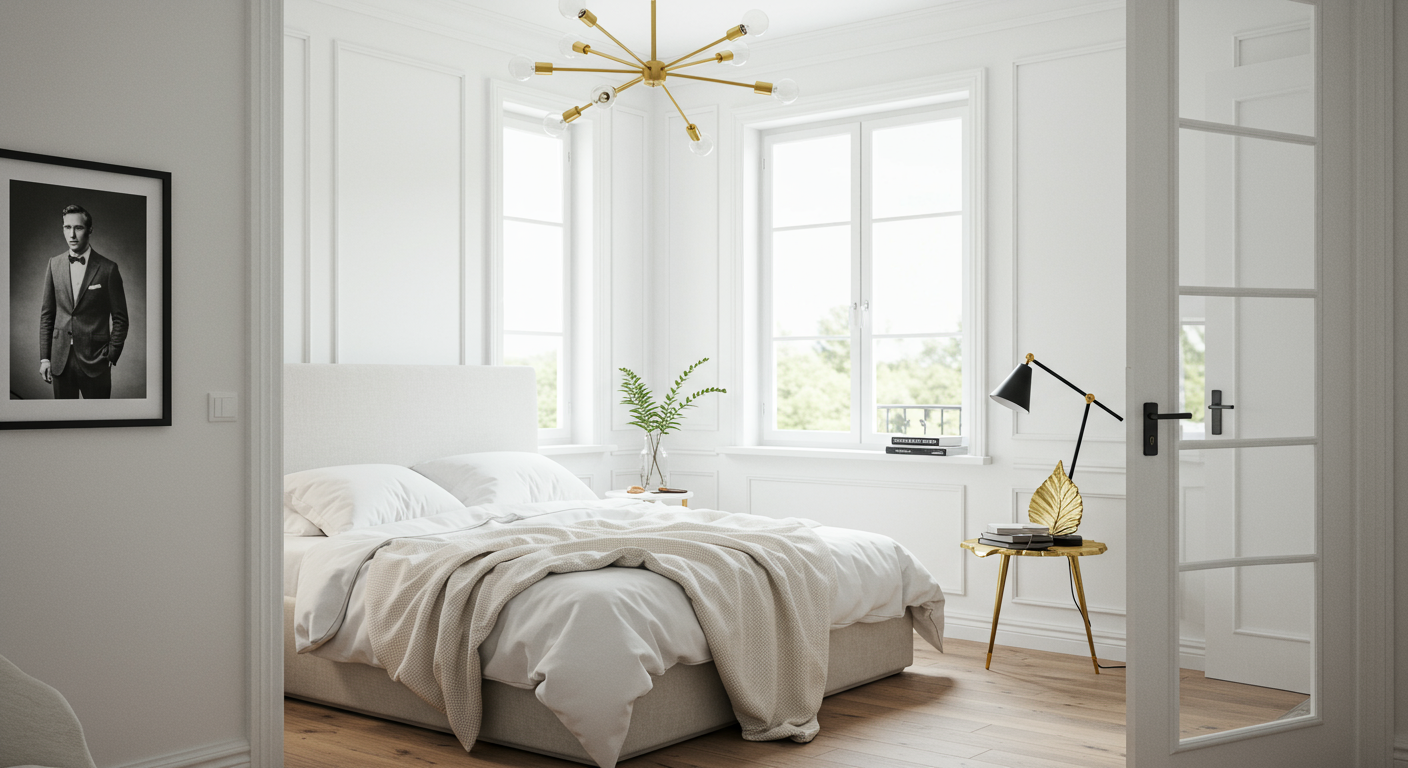
Image from MyDomaine
The palettes above show only SOME of the possibilities; by starting off with using the color of your favorite throw pillows, or the pre-picked paint color, etc – you can start to see what fits best based on your taste.
If you’re looking to sell and stage your house, think about using a neutral yet popular color palette. Things like grays, whites and beiges can be a great starting point. Consider being the buyer, you want to be able to see yourself in that home; a neutral palette allows for the buyer to have almost a blank canvas to work with.
On the other hand, if you’ve just purchased your forever home, you want to be happy with all your little touches. I remember the first time I decorated my own home – haphazardly and on a tight budget – and I also remember looking back and thinking I wished I had put some more thought into it. If I had started with something as simple as a color palette to work off of, I’d have been better off. Having consistency in your design is what creates “flow” to a home – how well does one room move into another? By using a palette, we’re able to have consistency throughout the house as well as a basis to refer back to when we go a little over board at TJMaxx buying decor.
When we start doing little fixer upper projects, we tend to get a bit caught up sometimes. Let’s use this example –
“We just had the carpets replaced, but now the walls look dingy – what color should we paint?”
Stop right there – before we slap any paint on these walls we’ve got to ask ourselves a couple of questions. What styles do I like? What colors? What don’t I like? From there, you can start to narrow your spectrum of possibility. For instance, I love a modern design, and earth tones – to build up a palette, I’d choose varying shades of green, brown/tan, white and gray. If you don’t know what styles you like, or colors, start by checking out all different home designs on Pinterest, build yourself a board and pin EVERYTHING you like.
Once we have a color palette created we can move forward. By establishing our basis at this point, we can clear up a lot of confusion that will arise later on in the project.
Now that your palette has been established, you can pick a direct paint color, furniture, counter tops, etc. Bringing a palette from screen or paper to life is the most exciting part.
To utilize your palette to the best of its abilities, try to keep some basic principals of color theory in mind:
- Color harmony is a dynamic equilibrium. (AKA – Colors that go together is not an exact science. Changing studies on psychology show certain combos to be relaxing and pleasing, while others are monotonous. But ultimately, the way color affects someone is dependent upon the person)
- Color affects mood and productivity (Colors have the ability to make you feel more productive, happier, relaxed, etc – example; take a dark red room – it’s said to be a bit overwhelming and is even said to cause anger in certain cases – in opposition, think of an ivory room – open, light and airy – it’s said that lighter colors in shades of white add a neutral brightness and a sense of peacefulness).
- There are many different kinds of color combinations (monochromatic, Tetradic, triadic, etc. – I highly suggest reading up on them as it will help you decide what style you like).
No more running into a question like “What color do you want to paint the kitchen?” fearfully. I suggest reading a bit into the different kinds of color schemes and see what style fits best with the design plans. By having a plan, you’re eliminating the factor of uncertainty later down the line and get to enjoy putting the perfect finishing touches on.
Author: Lindsay Carroll
Author: Lindsay Carroll